- Price
- 10% ₩9,000
₩10,000 - Buyer rating
- 5.0 3,270 reviews
- Store
- Coupang
- Price checked
- 2026-10-20
This was the first math workbook I’d ever bought. It’s only two or three pages a day, so we started without any pressure, and my kid kept up better than I expected.
- Two or three pages a day was just the right amount, so it was easy to get started.
- It doesn’t repeat the same problem type over and over, and the varied formats kept my kid from getting bored.
- The answer explanations made it easy to go over the missed problems together and review.
The first day of vacation, when we opened it up
Bottom line: for the first math workbook I’ve ever bought, the start went pretty smoothly. I ordered it to review what my kid learned during the semester once vacation started. On the first day I sat them at the desk and said, “Let’s just try two or three pages.”
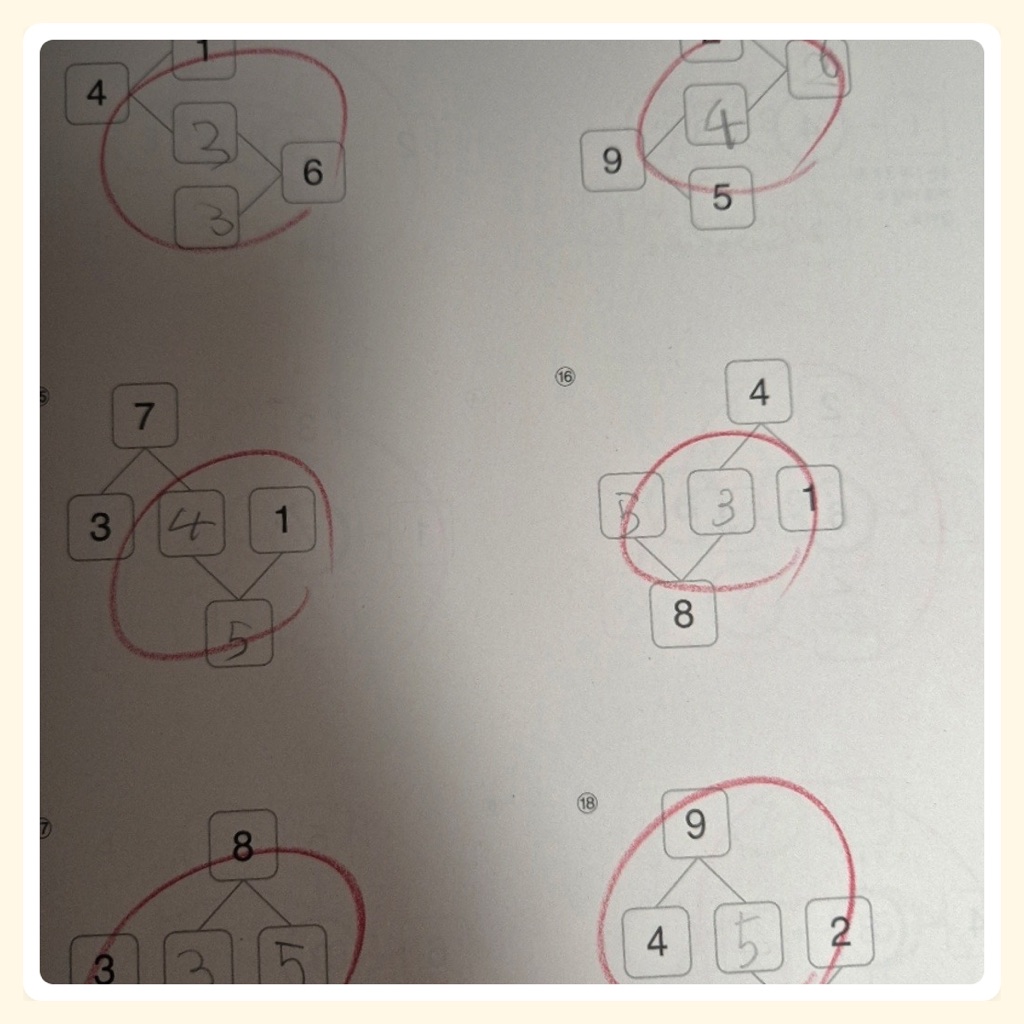
The early pages are fairly easy, so my kid breezed through with a look like, “Oh, I can do this!” I drew big circles with a red colored pencil, and it was funny how they happily ran on to the next page just for that little thrill.
Getting through the very first day with no arguing was a big win for me.
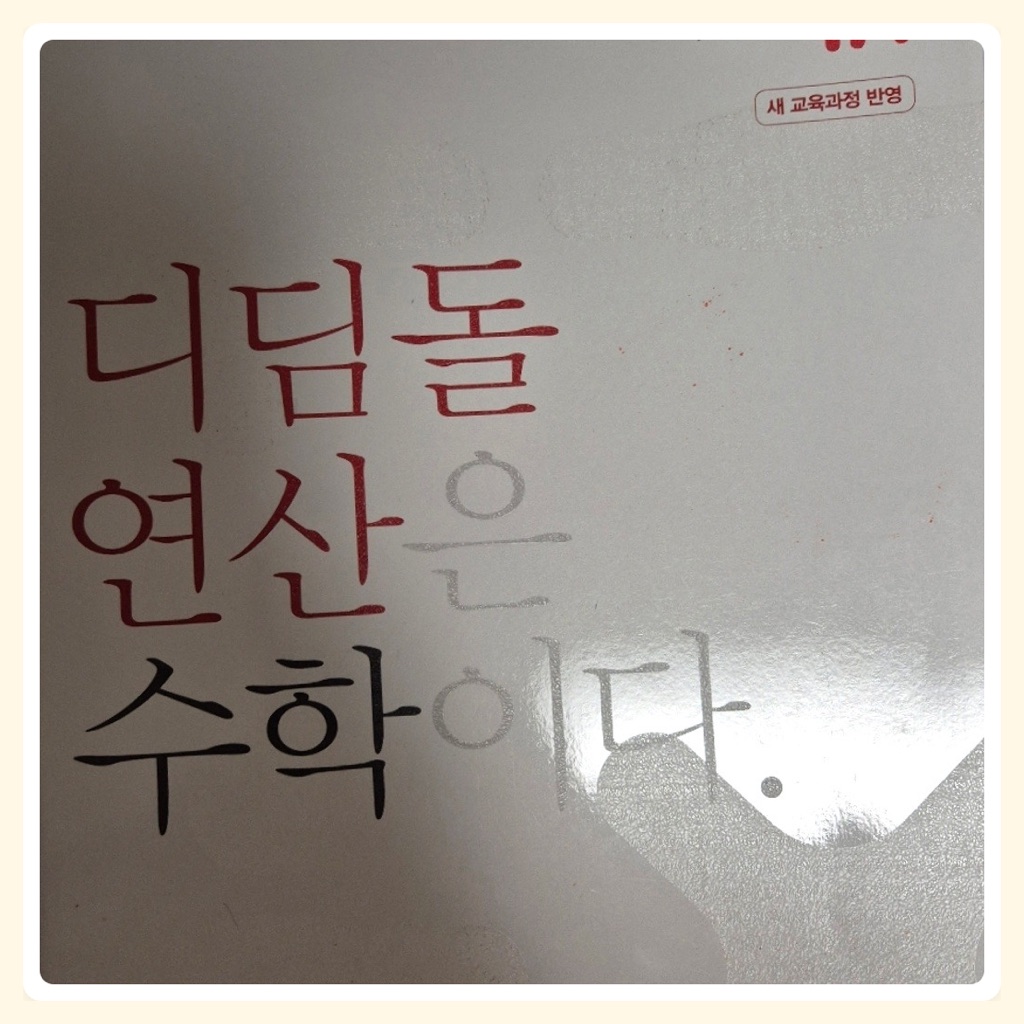
My worries before buying, and my second child
Honestly, I was full of worries before buying. It was my first time picking a workbook, and I almost went cross-eyed searching through all the candidates. My first child is careful and would be fine, but I wondered whether my wild second child would actually sit down and do it.
But once I tried it, they did better than I expected, and the fights over the workbook dropped sharply. There aren’t many hard problems, so when I gave a quick explanation next to them, they understood right away and wrote down the answer.
I even thought I should have bought it sooner.
Two or three pages a day
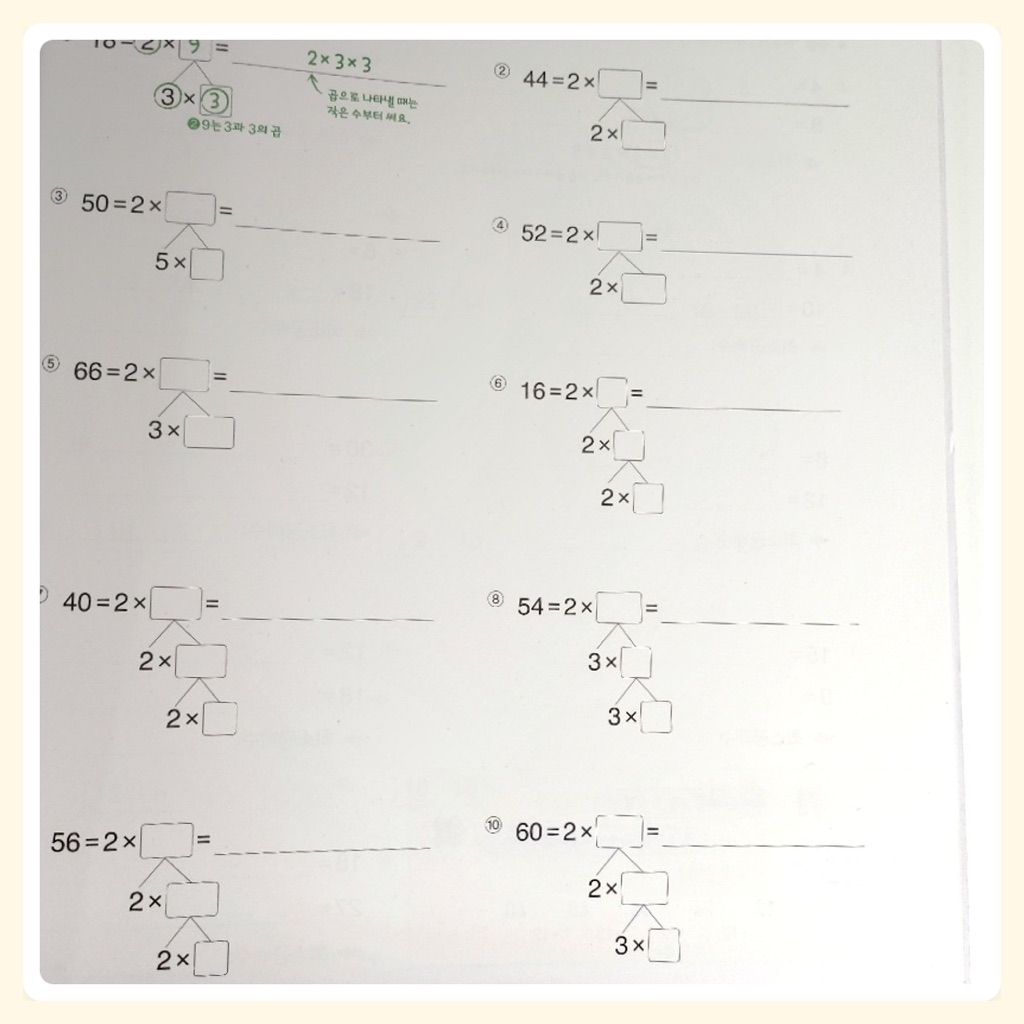
This workbook is a good size for working through two or three pages a day.
When a kid is made to cram everything at once, both of us get worn out, but with this amount, it felt less burdensome even alongside homework from the academy.
My kid could even plan how many pages to do that day, and I only had to check in, so it was easy to manage.
They say that in math calculation, the one who keeps at it wins, and I felt the amount of work is the biggest strength for building that consistency.
Problem design that isn’t just repetition
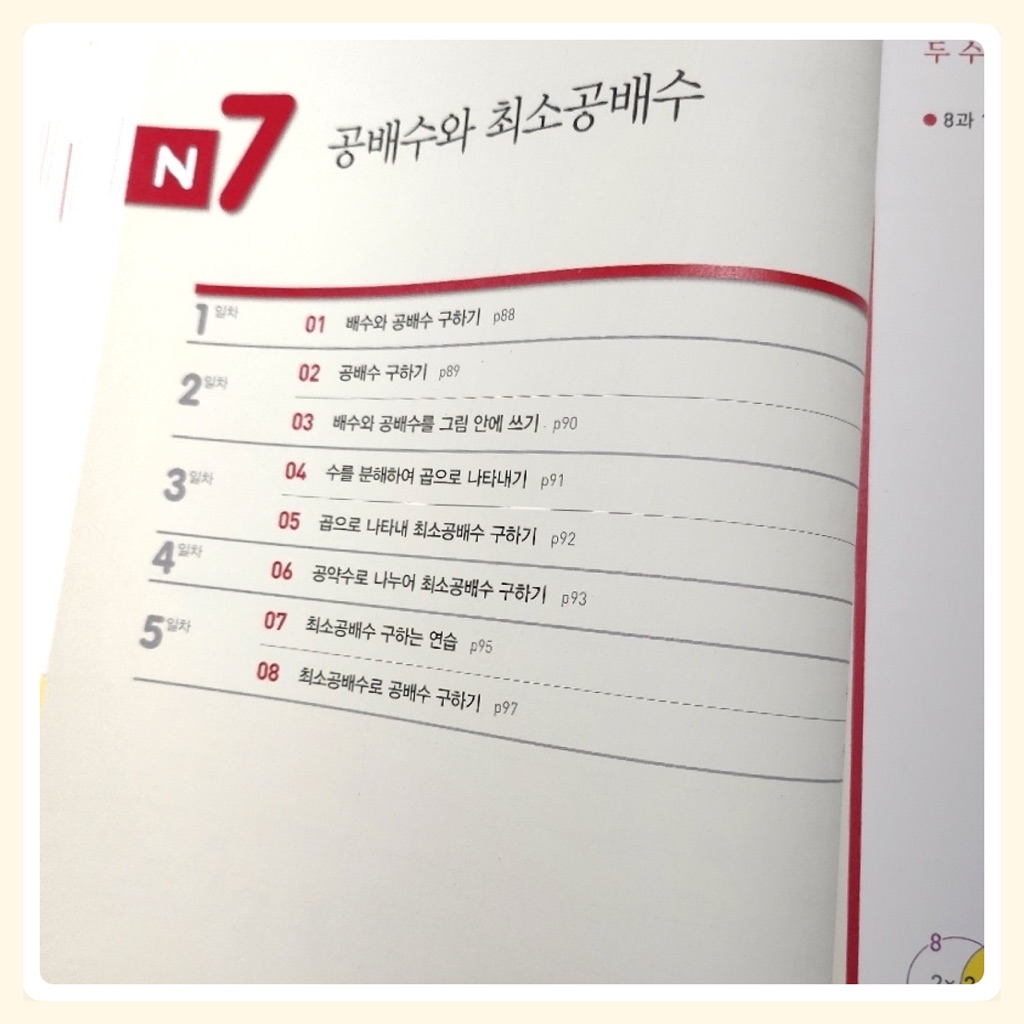
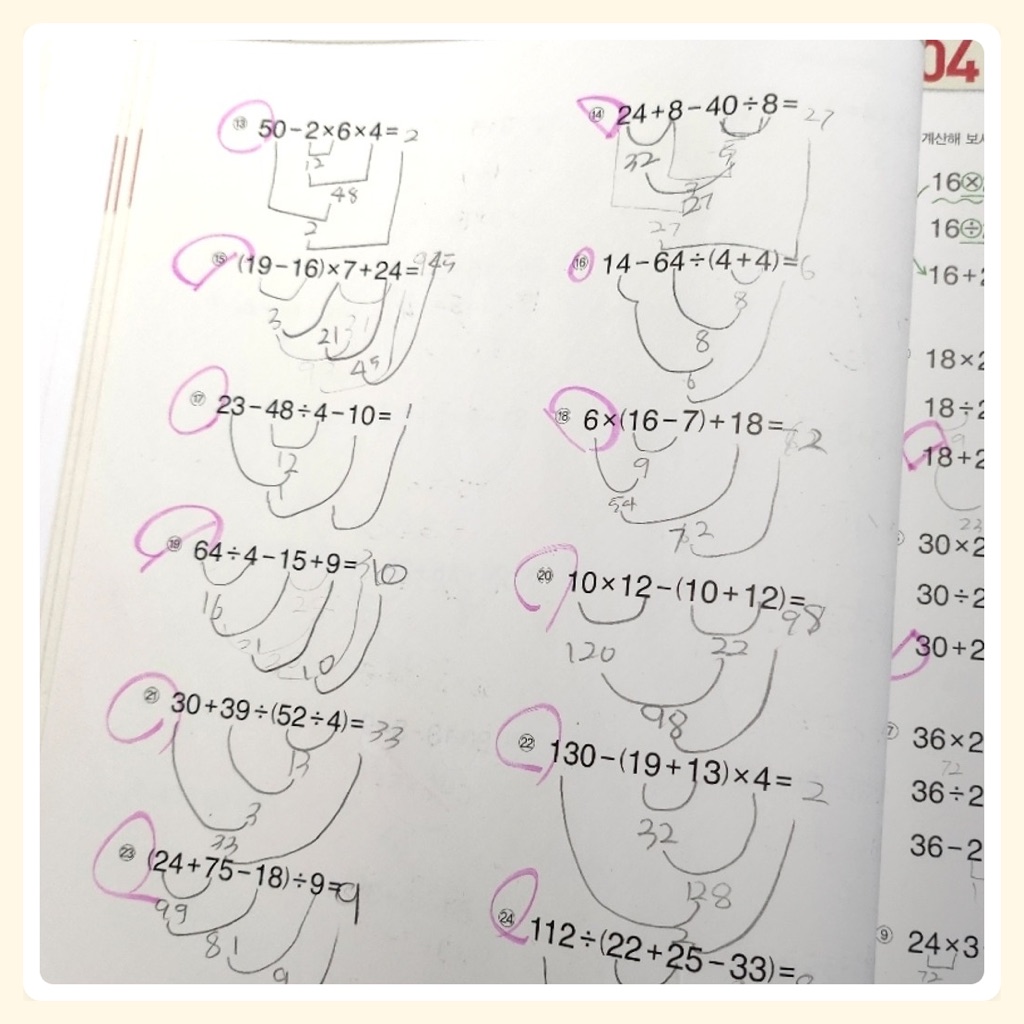
If it were just row after row of identical addition and subtraction like a worksheet, my kid would have gotten sick of it fast, but this book has you work through the same principle in several different ways. Some of the lower-grade volumes go through decomposing and composing numbers before moving on to single-digit addition and subtraction, and in the higher grades there are volumes with repeated fraction, decimal, and whole-number calculations.
The volumes are split by grade and semester, so you just pick the level that suits your child. The difficulty rises gradually, so it felt like it builds calculation speed and accuracy together.
Reviewing missed problems with the answer explanations
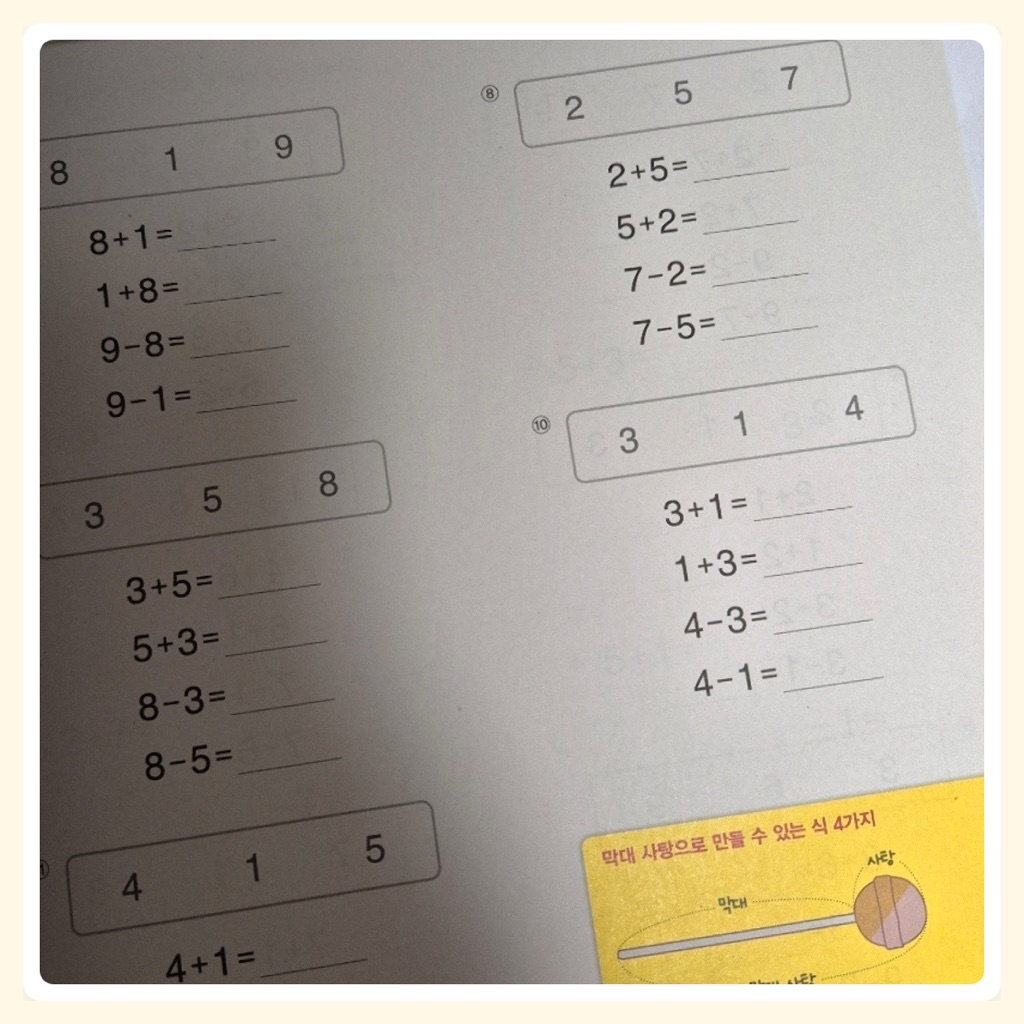
One of my kids has been making more calculation mistakes lately, so part of why I bought it was to give steady practice. The answer explanations are well done, so it was easy to grade, mark only the missed problems, and go over them together again.
Since I could see which types they kept getting wrong, I could point out just those spots instead of nagging vaguely. I realized there’s a reason people say it works better the more you repeat it.
The part my kid got tired of toward the end
One thing I should mention: my kid did get a little bored toward the back of the book. They flew through the early pages, but I could see the pencil slowing down in the second half, so I sat beside them, cheered them on, and gave even bigger circles of praise.
Still, seeing them finish a whole semester’s worth, I feel we can continue on to the next semester’s volume.
It was my first math workbook, and I think this one earns a passing grade.
Detailed specs
| Item | Details |
|---|---|
| Product name | Didimdol Math Workbook |
| Category | Book (elementary math workbook) |
| Contents | A series divided into volumes by grade and semester |
| What’s Inside | Lower grades: decomposing and combining numbers, single-digit addition and subtraction / Higher grades: fractions, decimals, whole-number calculations, and more |
| Extras | Answer explanations included |